White rot fungi have a powerful intracellular and extracellular oxidative enzymatic system capable of degrading the complex structure of lignin and its derivatives due to their low substrate specificity. These enzymes include laccase, manganese, and lignin peroxidases. in addition to the cytochrome P450 intracellular system, which gives the fungi a wide oxidative power of organic compounds, phenol types, very characteristic of emerging contaminants. Enzyme production is constitutive and therefore does not require adaptation, in addition to exhibiting high resistance to toxicity.
Our laboratory has extensive experience in the degradation of low biodegradable compounds by fungi (Trametes versicolor, Ganoderma lucidum, Pleurotus ostreatus,…), as well as in the development of degradation processes that can be integrated into conventional wastewater treatment processes such as pre-treatment or as post-treatment.
The services we offer are:
1) Effluent treatment:
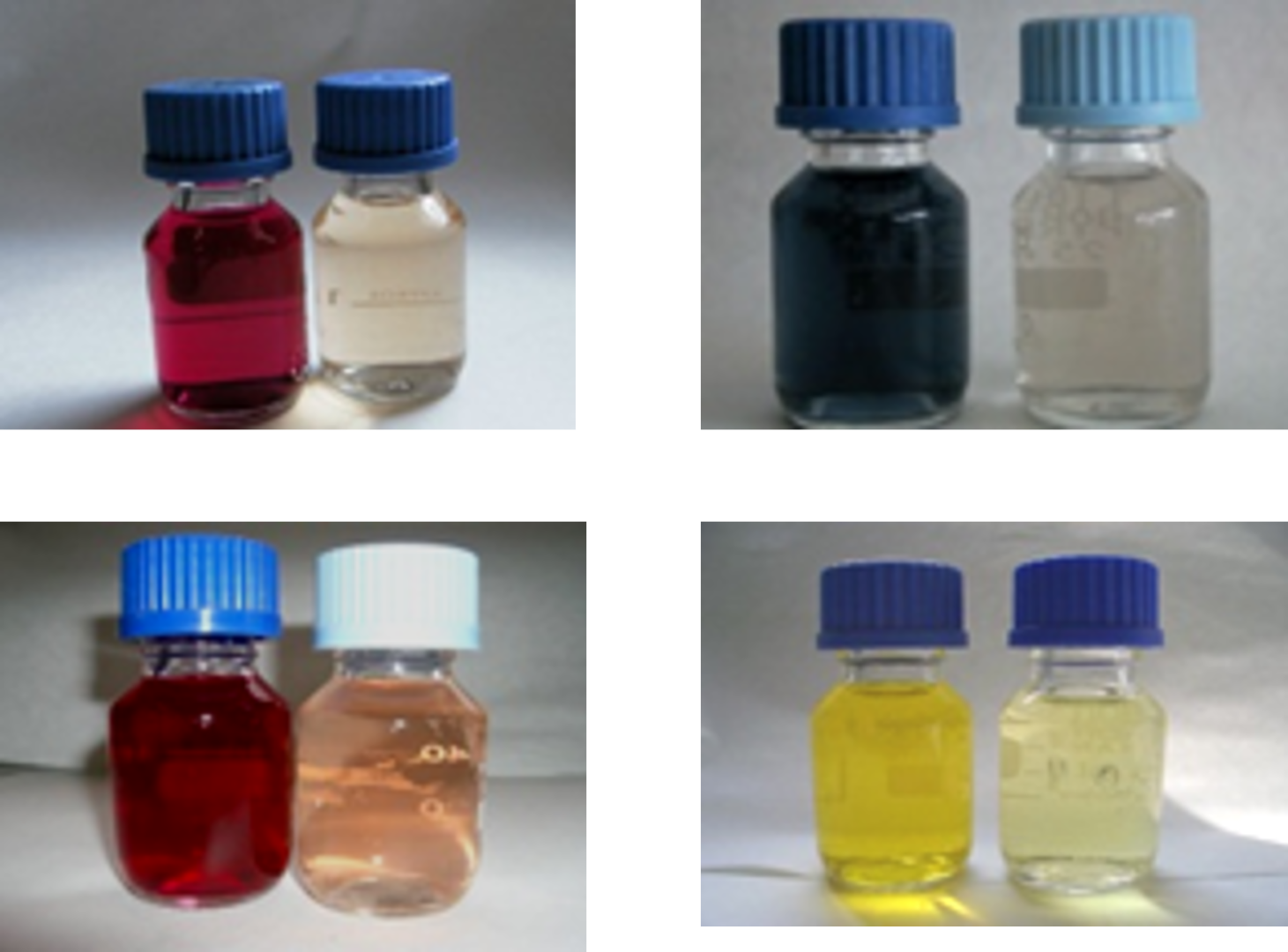
- Elimination studies of emerging contaminants
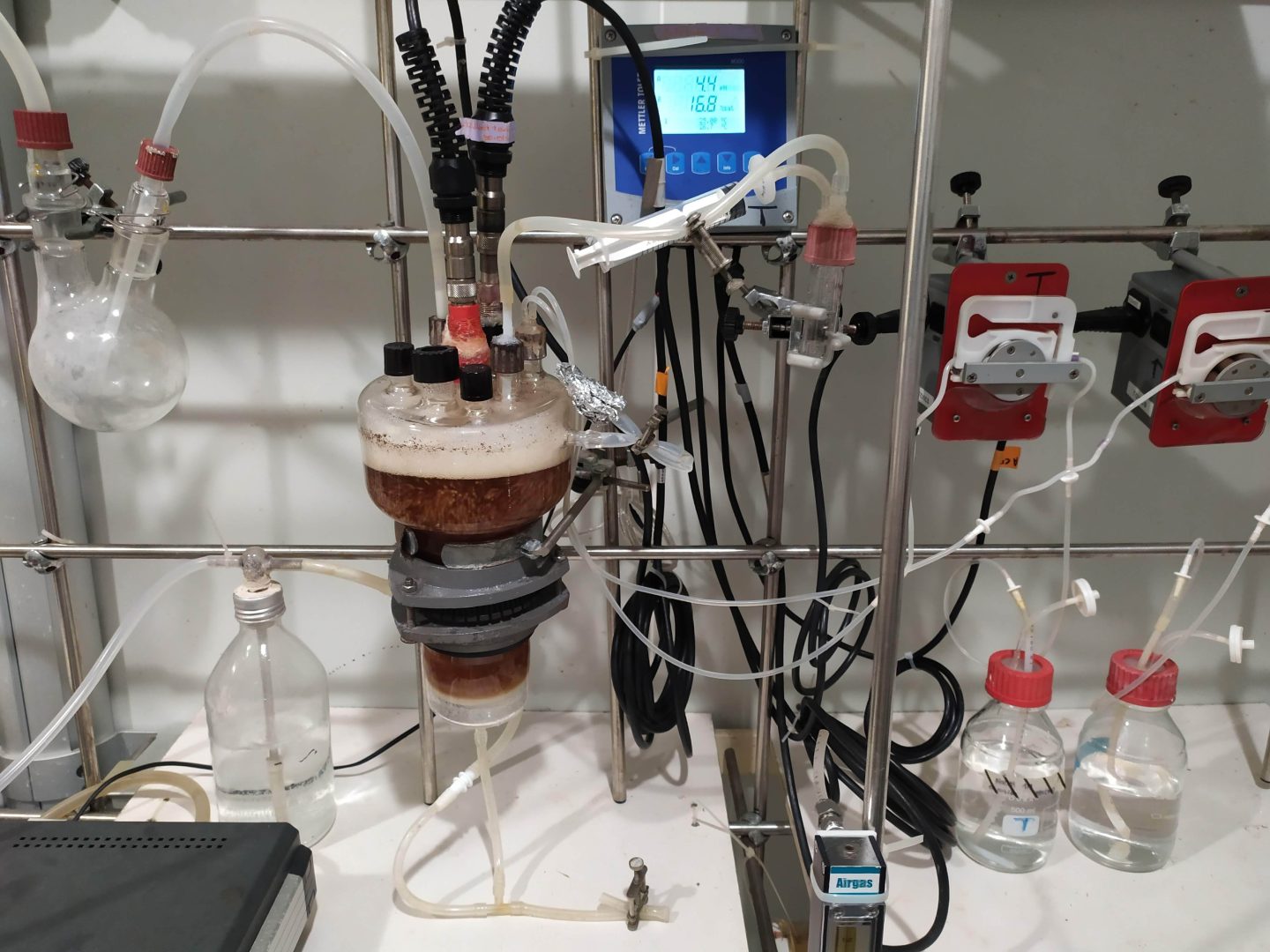
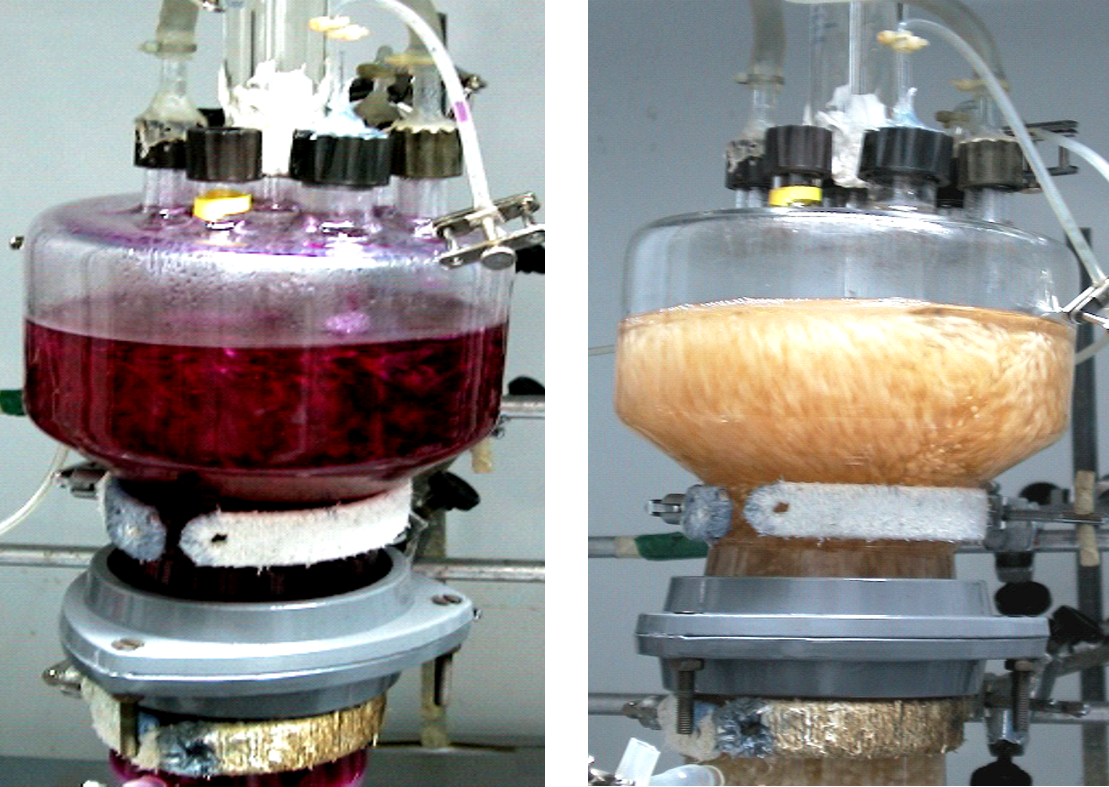
- Biodegradability studies using fungi in a fluidized bed bioreactor under controlled conditions of temperature, pH and dissolved oxygen.
- Measurements of toxicity reduction after treatment.
2) Production of fungi for use in different types of processes (enzymatic production, composting, bioremediation, biopiles, etc.)
- Biomass production with pellet morphology for bioaugmentation treatments
- Production of immobilized biomass on a lignin-cellulosic support.
Contact: Montserrat.sarra@uab.cat