
Info
- Researcher ID: B-9299-2012
- ORCID: 0000-0002-8033-6553
- Email: ernest.marco(at)uab.es
Bio
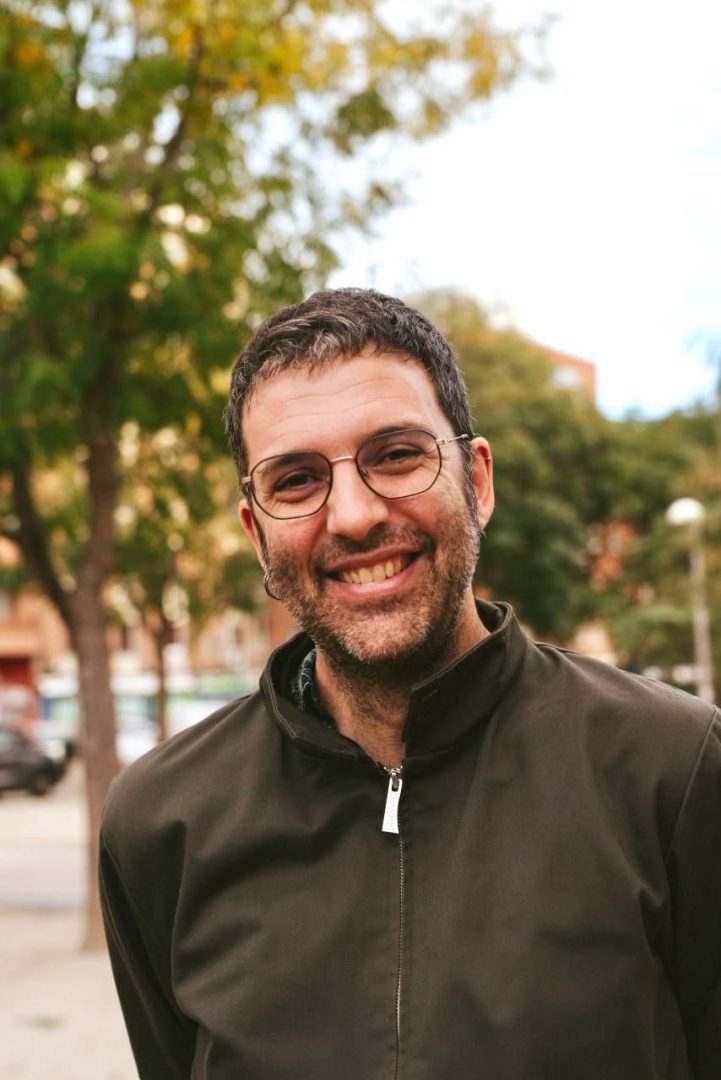
Dr. Ernest Marco Urrea is a Technical Industrial Engineer (Universitat Politècnica de Catalunya, 1998) and Environmental Scientist (Universitat Autònoma de Barcelona, 2001). He earned a PhD at the Universitat Autònoma de Barcelona (2007) on the application of white-rot fungus to degrade chlorinated aliphatic hydrocarbons. During his PhD, he was a visiting predoctoral fellow at the Department of Microbiology & Molecular Genetics (Michigan State University, USA) under the supervision of Dr. C.A. Reddy. In 2009, he was a Marie Curie postdoctoral research fellow at the Helmholtz Centre for Environmental Research (UFZ) at Dr. Lorenz Adrian’s lab in Leipzig (Germany) to apply isotopic and proteomic tools to study the metabolism of organohalide-respiring bacteria. Later, he got a lecturer position at the Department of Chemical, Biological and Environmental Engineering (UAB) where he built up a laboratory for anaerobic microbiology.
His research focuses on the application of environmental microbiology to develop processes for biodegrading hazardous organic contaminants in the field. The current work in his lab is centered on the understanding of the physiology and biochemistry of organohalide-respiring bacteria and BTEX degraders with the aim of using this knowledge to implement projects to remediate groundwaters contaminated with chlorinated compounds in collaboration with different remediation companies.
Current research interests
- Assessment, design and monitoring of in situ biodegradation treatments to remediate sites contaminated with hydrocarbons, including chlorinated compounds and BTEX.
- Isolation and biochemistry of organohalide respiring bacteria and BTEX degraders.
- Application of bioelectrochemical systems to grow organohalide-respiring bacteria and transform halogenated compounds into innocuous products.
- Potential of combining nanotechnology and bacterial degraders in the design of remediation treatment trains.
- Exploring novel enzymes with capabilities to transform recalcitrant and toxic compounds into innocuous byproducts.