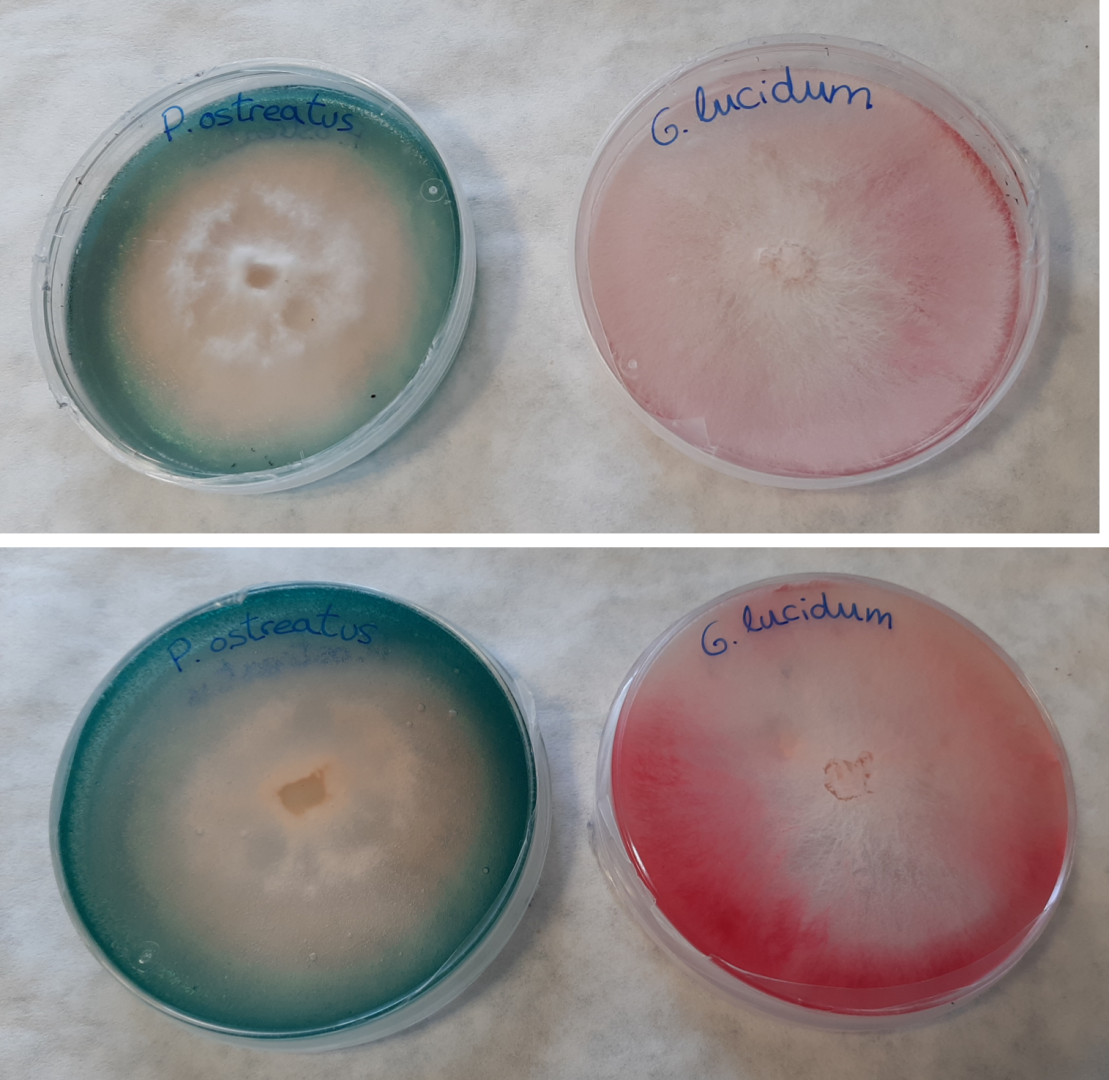
This research line is focused on the development of treatment processes, using fungi, for effluents with organic pollutants of industrial origin that escape to conventional treatments due to their low biodegradability. White rot fungi such as Trametes versicolor, Ganoderma lucidum, Pleurotus ostreatus, have a powerful oxidative enzymatic system, both intracellular and extracellular, capable of degrading a wide variety of organic compounds, such as phenols, very characteristic of industrial pollutants, due to their low specificity for the substrate. Enzyme production is constitutive and therefore does not require adaptation, in addition to exhibiting high resistance to toxicity.
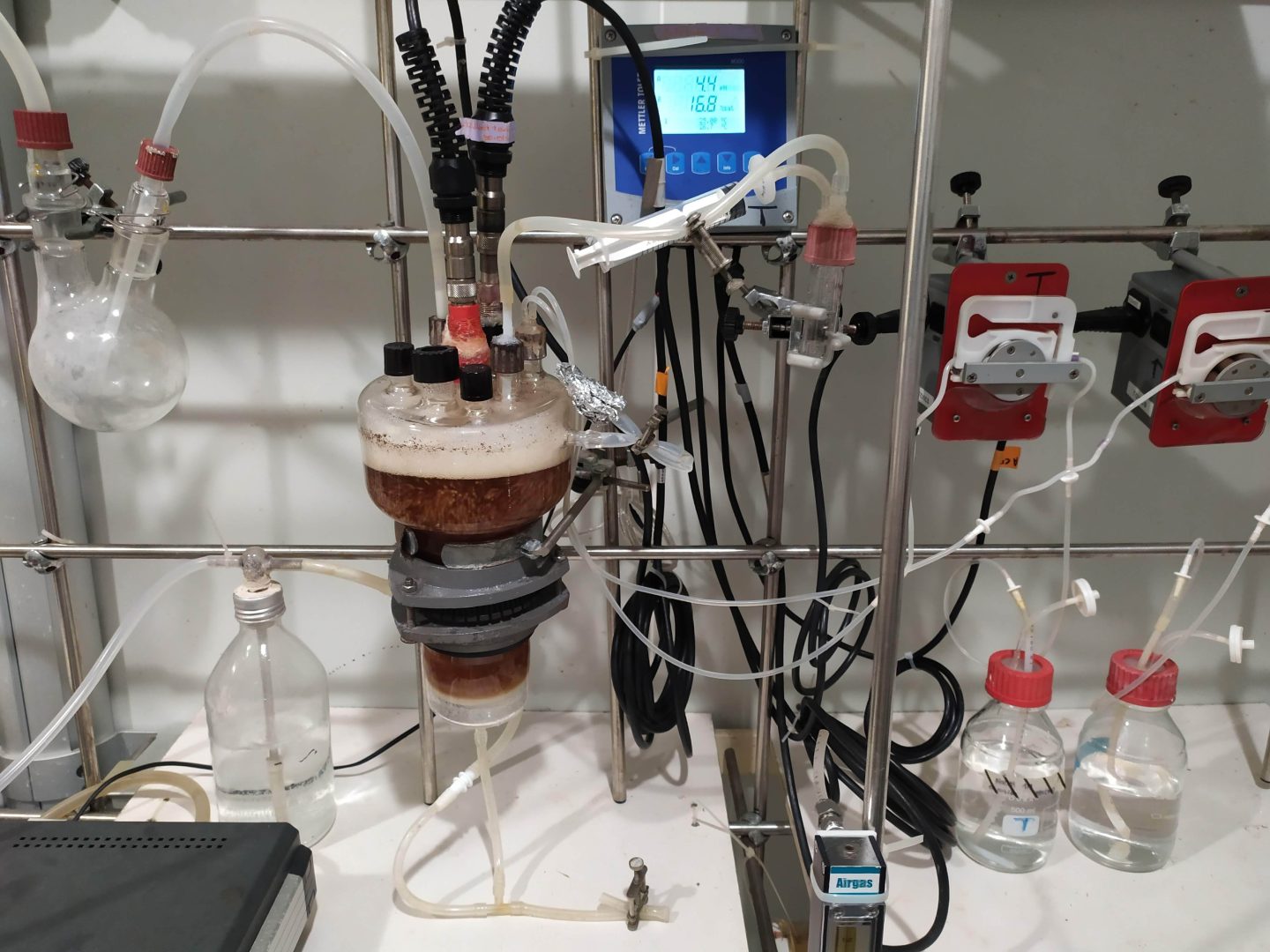
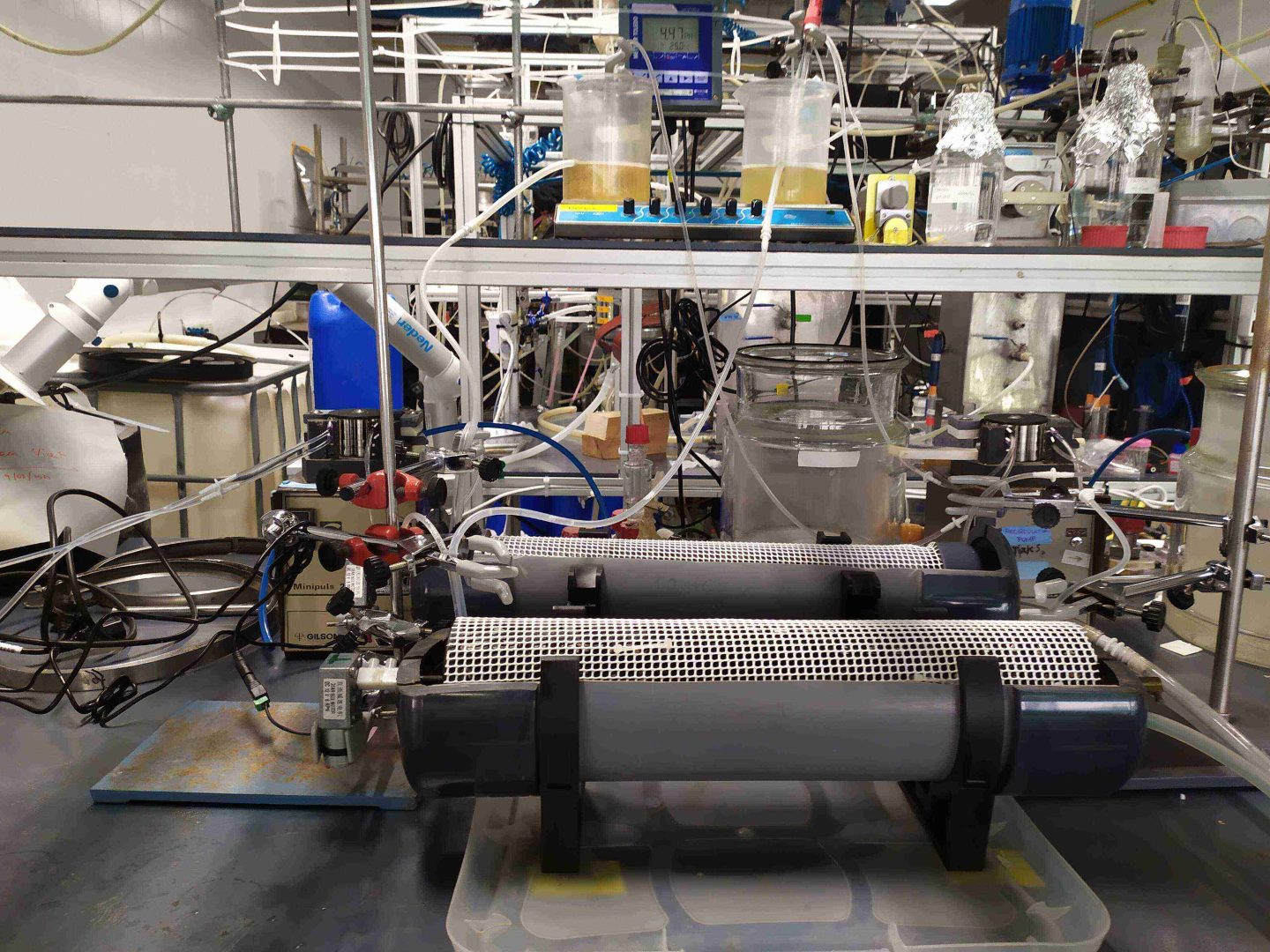
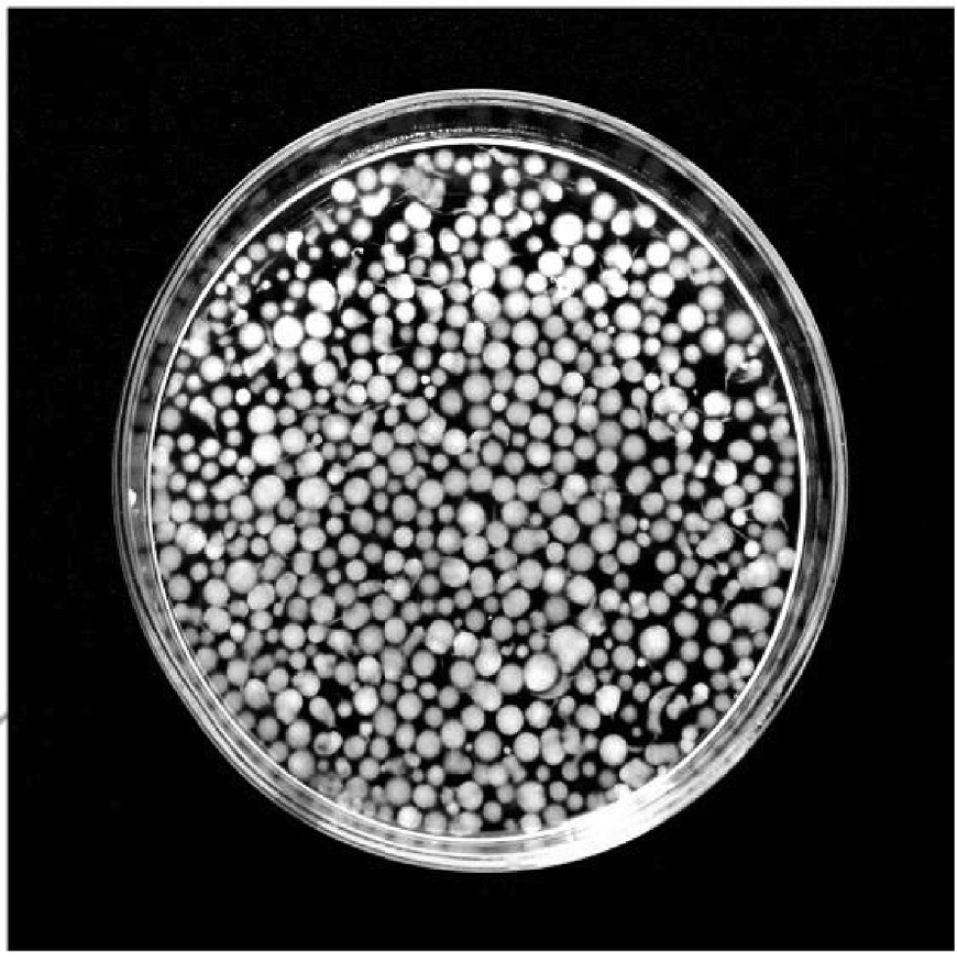
For this, the basic aspects such as the degradation capacity of the fungi, the enzymatic system involved and the transformation products generated are studied, to continue with the design of the bioreactor and the most suitable biomass immobilization system for continuous treatment in each final application.
In recent years we have focused on the elimination of pollutants of emerging concern such as flame retardants (brominated and organophosphates), personal care products (UV filters, surfactants, toothpastes), drugs and pesticides, detected in wastewater treatment effluents, urban and hospital wastewater, as well as agricultural wastewater.
A pilot bioreactor will soon be designed and built, as a demonstration, for the treatment of rinsing water from agricultural machinery used to apply pesticides that have accumulated in ponds on farms.
Contact: Montserrat.sarra@uab.cat